May 20, 2026
Maintaining the structural integrity of your home begins with a vigilant eye on the protective layer above your head. Homeowners often overlook the subtle warnings their shelter provides until a minor leak transforms into a catastrophic interior disaster. Recognizing the early symptoms of degradation is essential for preserving the value of your property and ensuring the safety of your family. Whether your house is relatively new or decades old, atmospheric elements like wind, hail, and solar radiation constantly challenge your roofing materials. Proactive observation allows you to address issues before they necessitate a full replacement, saving significant financial resources.
1. Inspecting Shingle Integrity and Surface Texture
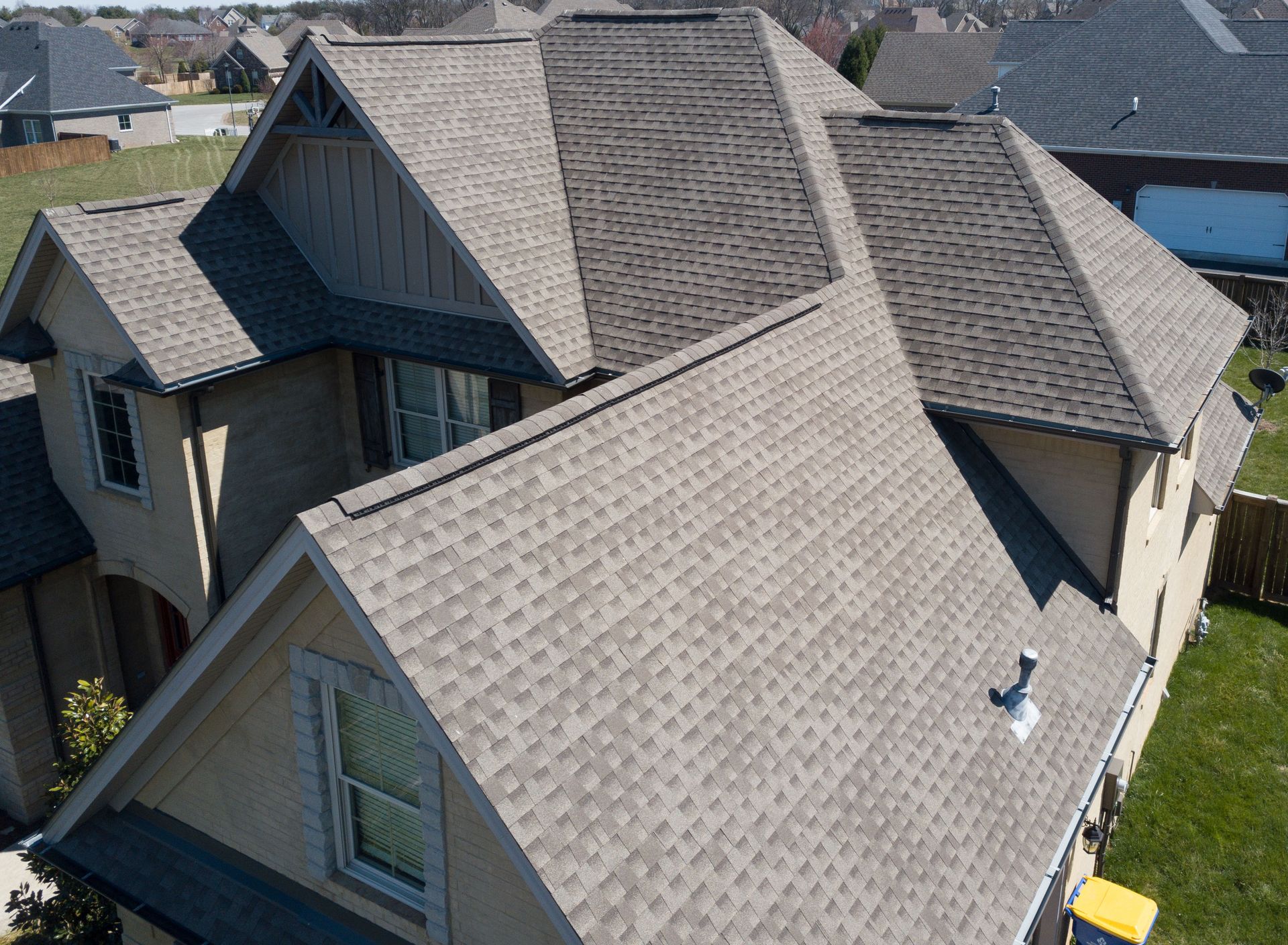
The exterior appearance of your shingles serves as the primary indicator of the health of your entire system. When you notice edges curling upward or shingles that appear cracked and brittle, the protective granules are likely reaching the end of their functional lifespan. This deterioration is particularly common in certain regions because, according to the Roofers' Guild, 75% of North American homes have asphalt shingle roofs. These materials are susceptible to thermal expansion and contraction, which eventually leads to structural fatigue. If your shingles are shedding significant amounts of sand-like granules into your gutters, it is a clear sign that you should consult a professional about potential roof repairs.
2. Observing Water Stains on Interior Ceilings
Discoloration on your drywall or bubbling paint near the tops of your walls usually signals that moisture has bypassed your external barriers. These stains often appear as yellowish or brown rings that gradually expand after heavy rainstorms. It is a common misconception that a leak is located directly above the visible stain; water often travels along rafters or beams before dripping onto the ceiling. Identifying the entry point requires a thorough investigation of the attic space during a downpour to spot active dripping. Ignoring these damp patches will inevitably lead to wood rot and the need for extensive roof repairs to restore your home's interior dry environment.
3. Detecting Sagging Lines along the Roofline
A straight and sturdy ridge is a hallmark of a healthy support structure, whereas a dipping or wavy appearance suggests underlying trouble. Sagging can be caused by long-term water damage that has softened the plywood decking or by an excessive weight load from multiple layers of old materials. When the rafters begin to bow, the entire stability of the house is at risk, necessitating immediate professional intervention. Often, this physical distortion indicates that the structural components have been saturated for a long duration. Addressing these structural shifts early is vital, as delayed roof repairs can lead to a complete collapse of specific sections during heavy snow or wind.
4. Analyzing Algae Growth and Moss Accumulation
Greenery belongs in your garden, not on your shingles, where it can trap moisture against the surface and cause premature decay. Moss acts like a sponge, holding water in place and allowing it to seep under the shingles through capillary action. Algae, appearing as dark streaks, feed on the limestone filler used in many modern roofing products, slowly weakening the material's bond. While some homeowners view moss as a charming aesthetic, it actually lifts shingles away from the deck, creating pathways for wind-driven rain. Removing this organic growth carefully is a necessary step in preventative maintenance and determining if deeper roof repairs are required beneath the vegetation.
5. Monitoring Energy Bills for Sudden Increases
Your roof plays a critical role in your home’s thermal envelope, and a sudden spike in cooling or heating costs may indicate a ventilation failure. If the attic is not breathing properly, heat builds up and bakes the shingles from the inside out, while also forcing your HVAC system to work overtime. Damaged or blocked vents prevent the necessary airflow that regulates temperature and humidity levels throughout the year. When the insulation becomes damp due to small leaks, its R-value drops significantly, leading to higher utility expenses. Investigating these efficiency losses often uncovers the hidden need for targeted roof repairs to seal gaps and improve attic airflow.
6. Evaluating Flashing Condition around Chimneys
Metal flashing provides the critical seal at the intersections where the roof meets vertical surfaces like chimneys, skylights, or vent pipes. Over time, the sealant can dry out and crack, or the metal itself can rust and pull away from the masonry. Since these are the most vulnerable points on any structure, even a small gap can allow gallons of water to enter during a storm. Checking the integrity of these transitions should be a priority during any seasonal inspection. If the flashing appears corroded or loose, it is one of the most common reasons homeowners seek out professional roof repairs to prevent localized rot.
7. Identifying Light Prying through Attic Boards
One of the simplest ways to check for holes is to enter your attic during a bright, sunny day with the lights turned off. If you can see "stars" or slivers of daylight peeking through the roof boards, you have identified direct paths for water and pests. These openings are often found near the eaves or along the ridge where the decking may have pulled apart. Even if you do not see active moisture, these gaps indicate that your protective barrier has been breached. Securing these openings quickly is a standard part of necessary roof repairs to maintain a weather-tight seal and prevent unwanted animal intrusions.
8. Scouting Gutter Debris for Clogging Issues
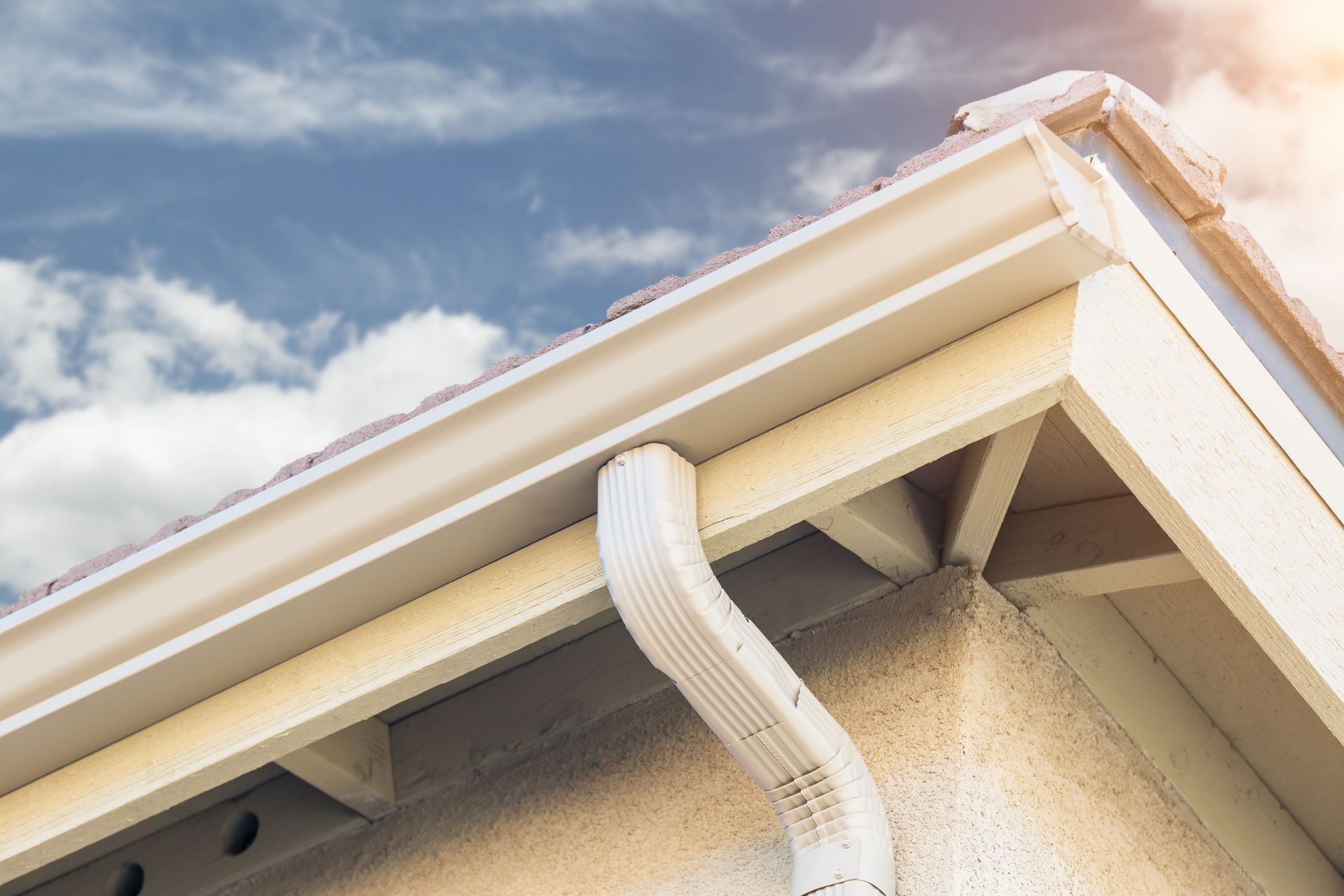
Your drainage system provides a historical record of your roof's condition by collecting everything that washes off the slopes. Finding large chunks of shingle material or a high volume of asphalt grit in the troughs suggests that the weatherproofing layer is disintegrating. When gutters become clogged with this debris, water backs up under the edge of the roof, causing the fascia boards to rot. Heavy gutters can also pull away from the house, damaging the mounting brackets and the underlying wood. Regularly cleaning these channels allows you to monitor the rate of shingle loss and decide when to schedule repairs.
9. Noting Missing Shingles after Storm Events
High winds can create enough uplift to tear shingles completely off the deck, leaving the underlayment exposed to the elements. Walking around your yard after a significant weather event to look for scattered pieces of roofing material is a smart habit. Even if only a few tabs are missing, the surrounding shingles are likely loosened and will eventually fail during the next gale. Leaving the wooden deck exposed to direct sunlight and rain will cause it to warp and weaken rapidly. Promptly replacing these missing sections through minor repairs is the most effective way to extend the overall life of the entire system.
10. Examining Rotted Wood on the Eaves
The trim and fascia boards located at the edge of your roofline often show the first signs of long-term moisture exposure. If the wood feels soft to the touch or if the paint is peeling and flaking away, water is likely escaping the designated drainage paths. This rot often stems from a lack of drip edges or improperly installed shingles that do not overhang the gutters sufficiently. Once the wood begins to decay, it can no longer support the weight of the gutters or provide a barrier against nesting birds and squirrels. Addressing the source of this moisture is a key component of comprehensive repairs.
The longevity of your home depends entirely on your willingness to address small vulnerabilities before they escalate into major structural failures. By consistently observing the condition of your shingles, checking your attic for light or moisture, and monitoring your energy efficiency, you can stay ahead of the aging process. While some issues may seem purely cosmetic, they often mask deeper problems that threaten the safety of your living space. Remember that investing in timely repairs is significantly more cost-effective than replacing an entire system prematurely. Maintaining a watchful eye ensures that your roof continues to provide the security and comfort your family deserves. Are you seeking dependable roof repairs around the St. Charles, MO area? The professionals at Guaranteed Roofing & Contracting are ready to assist! Call today to learn more service information.