May 29, 2026
Roofing materials come in a wide variety, each catering to specific needs and preferences. The choice spans from traditional materials like asphalt shingles and wood to modern innovations such as synthetic and composite options. Understanding the basic properties and differences of these materials is crucial for making an informed decision that balances durability, cost, and aesthetics. Climate considerations also play a pivotal role since the performance of each material can vary significantly with weather conditions. Additionally, the architectural style of your home might influence the most appropriate roofing material selection.
The benefits of each roofing material differ substantially, influencing its popularity among homeowners. For instance, asphalt shingles are favored for their affordability and ease of installation, while metal roofs are lauded for their longevity and resistance to harsh weather. Tile roofs offer an aesthetic appeal and durability, complementing homes with Mediterranean or Spanish styles. Wood shingles provide a rustic appearance but require more maintenance compared to other options. Each material needs to be evaluated for its specific advantages to ascertain its suitability for your home.
Asphalt Shingles
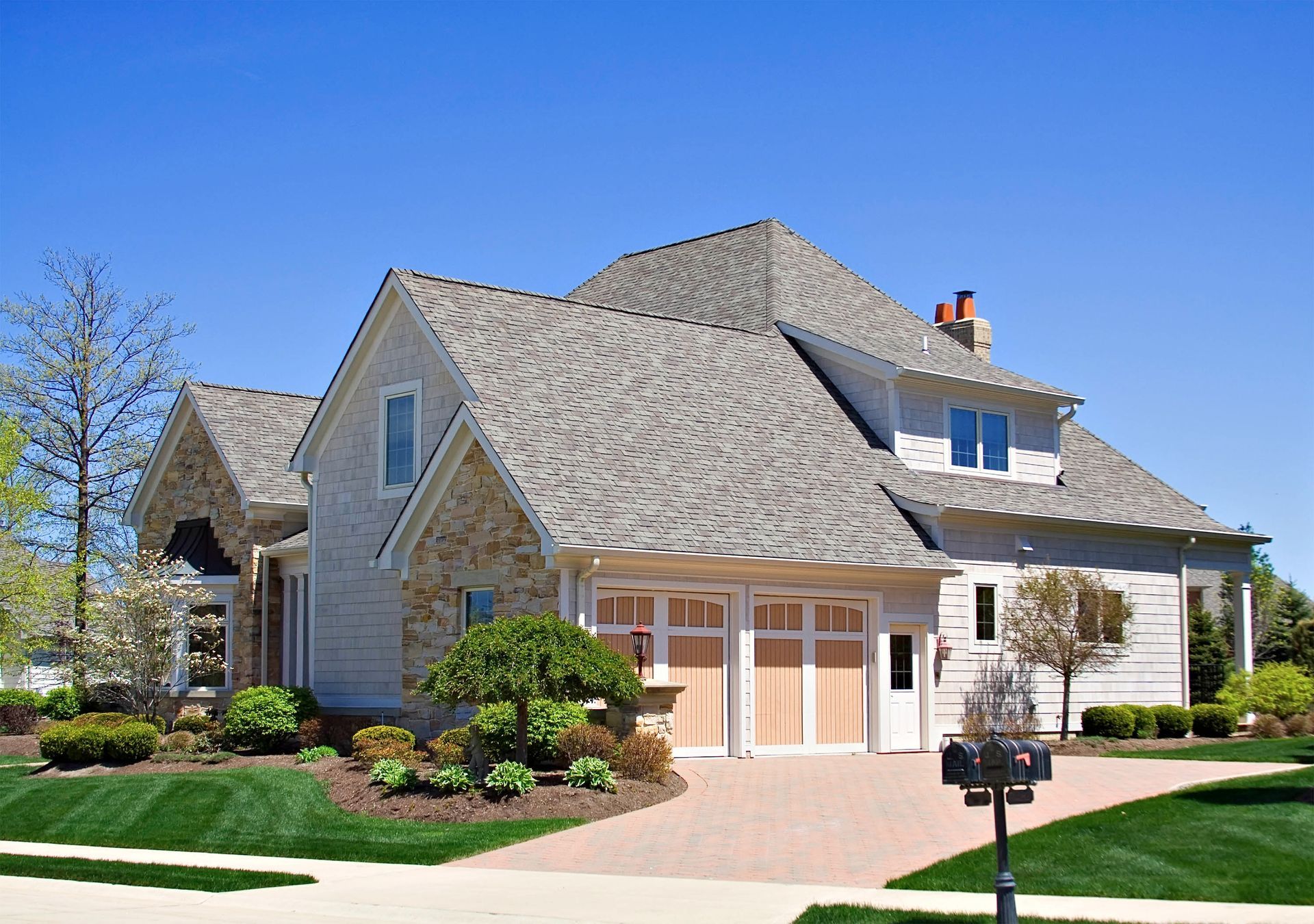
Asphalt shingles are one of the most common roofing materials due to their cost-effectiveness and versatility. They come in various compositions, primarily fiberglass and organic mat-based, allowing homeowners to choose according to their specific needs. Fiberglass shingles are lighter and often more affordable, while organic shingles offer a heavy-duty option. Variants, such as architectural shingles, offer enhanced aesthetic appeal with a higher dimension compared to traditional three-tab shingles. This variety ensures asphalt shingles can match both budgetary constraints and design preferences.
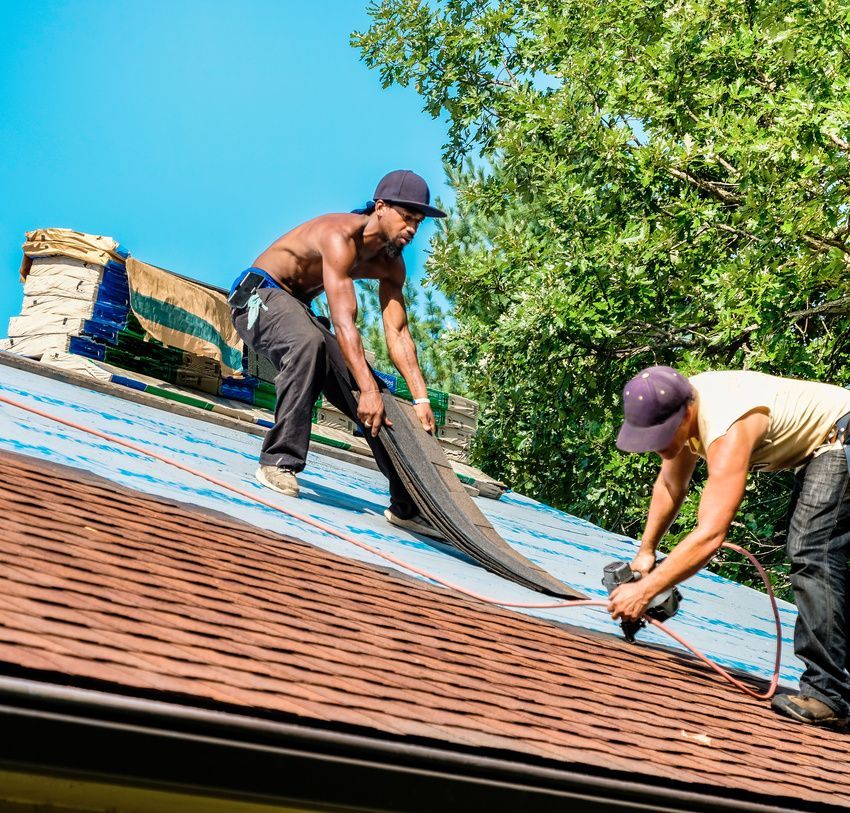
There are numerous advantages to choosing asphalt shingles for your roof replacement. They are relatively inexpensive, easy to install, and come in a range of colors and styles to suit various home designs. Their availability and ease of installation often result in lower labor costs, making them an attractive choice for many homeowners. Furthermore, asphalt shingles provide good protection against fire and are designed to withstand moderate weather conditions. Despite this, their maintenance is quite straightforward, involving regular inspections and prompt repair of any damage.
While asphalt shingles offer many benefits, they are not without potential drawbacks. Their lifespan is often shorter compared to more durable materials like metal or tile; an asphalt roof usually lasts between 15 to 30 years, according to Bob Vila. Additionally, in areas prone to extreme weather, asphalt shingles may not hold up as well as sturdier materials. Over time, they are susceptible to algae growth and other environmental damage if not properly maintained. Despite these challenges, their cost-effectiveness and ease of installation maintain their position as a popular choice for homeowners.
Metal Roofing
Metal roofing has gained popularity due to its durability and modern aesthetic appeal. This category includes several types, such as aluminum, copper, zinc, and steel, each with unique properties and benefits. Aluminum is lightweight and resistant to corrosion, making it an ideal choice for coastal areas. Steel, available in various finishes and coatings, offers strength and versatility. Copper and zinc, although more expensive, provide a distinctive look and can last considerably longer.
The benefits of metal roofing make it an attractive option for homeowners seeking long-lasting and sustainable materials. Metal roofs are renowned for their longevity, often lasting 50 years or more, with many systems coming with lifetime warranties. They are excellent for energy efficiency, reflecting solar radiation and consequently lowering cooling costs. Additionally, metal roofing is resistant to extreme weather conditions, including high winds, heavy rains, and snow. The material is also environmentally friendly, often composed of recycled content and fully recyclable at the end of its life.
Despite its advantages, metal roofing comes with several challenges that homeowners need to consider. The initial cost can be significantly higher than materials like asphalt shingles, which might deter budget-conscious individuals. Furthermore, metal roofs can be noisy during rainstorms or hail without proper insulation. The expansion and contraction of metal with temperature changes might also cause noise issues or damage if not installed correctly. While maintenance is generally low, repairs can be more costly than other materials, depending on the extent of damage. These facets contribute to a more complex decision-making process when choosing metal roofing.
Tile Roofing
Tile roofing is often associated with Spanish and Mediterranean architectural styles, offering a classic and elegant aesthetic. The primary types of tile materials include clay, concrete, and slate, each offering unique properties. Clay tiles are renowned for their natural charm and durability, while concrete tiles provide a more affordable yet robust alternative. Slate tiles, while more expensive, offer unparalleled elegance and longevity, often lasting over a century. These diverse options allow for a tailored approach to meeting specific aesthetic and functional requirements.
The pros of tile roofing extend beyond its visual appeal. Tiles are exceptionally durable, resistant to fire, and can withstand various harsh weather conditions when properly installed. Their natural thermal mass helps in energy efficiency, contributing to reduced heating and cooling costs. Additionally, tile roofs are made of natural materials, making them an environmentally responsible choice. Given proper maintenance, tiling is a long-lasting solution that balances initial investment with enduring performance.
However, tile roofing comes with its share of cons that may impact a homeowner's decision. The weight of tiles often necessitates additional structural support, resulting in increased installation costs. The initial cost is also relatively high compared to other materials like asphalt shingles. Furthermore, it requires skilled labor for installation to avoid issues like cracking or breaking. Despite their durability, tiles can be susceptible to impact damage, requiring caution when performing roof maintenance or repairs. These factors must be carefully weighed against the benefits they offer.
Synthetic Materials
Synthetic and composite roofing materials are increasingly popular due to their innovative properties and versatile applications. These materials are designed to mimic natural products like wood or slate while offering enhanced durability and reduced maintenance. Their composition often involves a blend of rubber, plastics, or other materials, making them a lightweight alternative to traditional roofing materials. Additionally, they are available in various styles and colors, allowing homeowners to achieve a desired aesthetic. Their flexibility makes them suitable for various architectural styles and climates.
The benefits of synthetic roofing materials include their resilience, longevity, and low maintenance needs. Unlike natural materials, synthetic options are resistant to common issues like rot, insects, and mold, drastically reducing the need for repairs and replacements. They often come with long-term warranties that attest to their durability and performance. Synthetic roofs are also eco-friendly, often incorporating recycled materials into their production. This positions them as a sustainable choice that aligns with modern environmental considerations.
However, synthetic and composite roofing options are not without potential disadvantages. Their initial cost can be relatively high compared to more common materials like asphalt shingles. Some products may experience effects of fading or warping over time if exposed to harsh weather conditions. The aesthetic authenticity of synthetic materials may be questioned, as some homeowners prefer the natural characteristics of traditional materials. Despite these challenges, their ease of installation and adaptability often outweigh the drawbacks, making them a viable option for many homes.
Choosing the right roofing material involves balancing aesthetics, functionality, and budget. Each material has its unique properties that cater to different homeowner needs. By understanding the pros and cons of each material, you can make an informed decision that ensures the longevity and performance of your roof. Careful consideration of factors like climate, architectural style, and personal preference will guide your choice. If you are planning a
roof replacement service, working with experienced professionals such as Guaranteed Roofing & Contracting can help simplify the process and ensure quality results. From asphalt shingles to metal and synthetic materials, selecting the right roofing system is an investment in your home’s protection, efficiency, and curb appeal for years to come.