August 29, 2026
A secure shelter requires a well-maintained roof. Homeowners must monitor overhead materials for signs of deterioration. Weather elements take a toll on exterior surfaces over seasons and years. Routine inspections prevent severe structural degradation. Ignoring initial warning signs leads to extensive water damage and expensive restorations. Maintaining a sound roof requires vigilance and consistent effort.
Addressing vulnerabilities in the beginning stages saves homeowners immense expense. Timely roof repair extends the lifespan of the house structure. Small gaps and missing materials compromise insulation and structural integrity. Property owners must take proactive steps to maintain exterior resilience against storms and wind. This guide explores essential maintenance strategies for residential properties to preserve exterior strength.
Evaluating Exterior Surface Damage
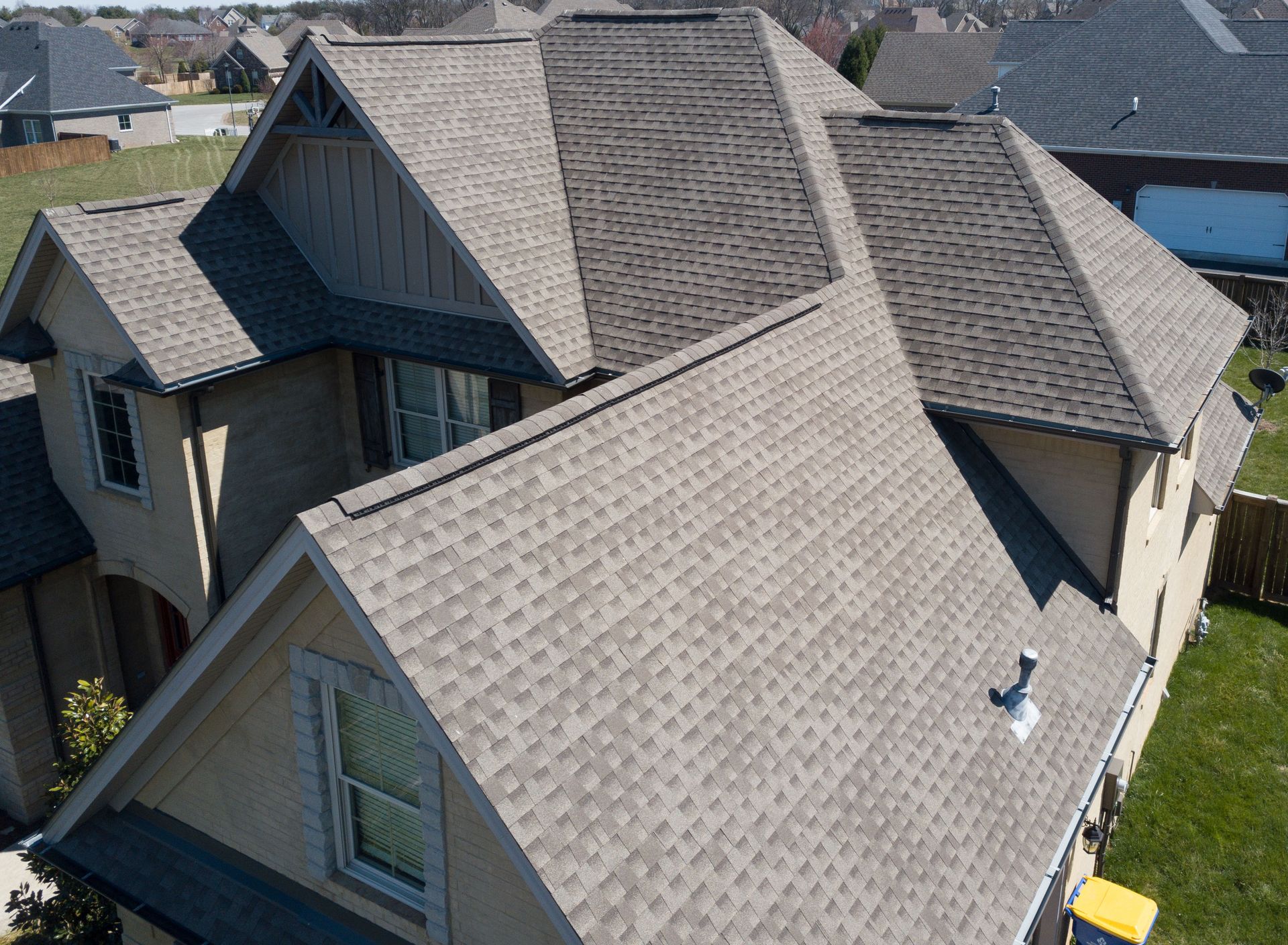
Visual inspections constitute the initial phase of exterior maintenance. Property owners conduct ground-level observations to assess material conditions. Spotting curled, blistered, or cracked shingles indicates potential structural vulnerabilities. Effective roof repair begins with accurate damage assessment across all visible angles. Assessing the ridge lines and valleys reveals initial wear patterns. Observing the condition of flashing around chimneys prevents future complications.
Wind events cause considerable disruption to exterior surfaces. Strong gusts lift shingles and break sealant bonds. Heavy storms leave debris scattered across the structure. Removing branches and leaves prevents moisture retention and mold growth. Residents must clear organic matter to preserve surface integrity. Debris accumulation accelerates material degradation. Unobstructed surfaces dry faster and resist fungal infestations.
Granule loss represents an additional indicator of aging materials. Asphalt shingles shed their protective granules as they weather. Finding dark accumulations in drainage channels signals material breakdown. These granules shield the underlying asphalt from ultraviolet radiation. Without this layer, the material turns brittle and prone to cracking. Significant accumulation warrants professional evaluation of the entire surface. Replacing sections exhibiting severe granule depletion stops further decay.
Evaluating the age of the structure determines the next steps. Homeowners must weigh the benefits of patching against complete replacement. According to Today's Homeowner, repair is the better option if your roof is less than 15 years old and the damage is minor. Localized fixes address specific vulnerabilities without requiring massive overhauls. Keeping the original materials intact preserves the architectural aesthetic while restoring the protective barrier.
Identifying Interior Moisture Intrusions
Interior spaces provide clues about exterior material failures. Attic inspections reveal hidden vulnerabilities before they escalate into massive structural issues. Residents must search for water stains on wooden rafters and fiberglass insulation. Implementing prompt roof repair stops minor leaks from destroying drywall and ceiling framing. A bright flashlight highlights damp patches and fungal growth in dark upper spaces. Finding moisture indoors demands immediate external investigation.
Musty odors indicate trapped moisture within the building envelope. Poor ventilation exacerbates condensation problems during temperature fluctuations. Homeowners might misinterpret condensation as a direct surface leak. Improving airflow through soffit and ridge vents mitigates condensation issues. Unchecked humidity rots structural supports and compromises insulation efficiency. Observers distinguish between ambient humidity issues and direct liquid infiltration to protect the roof.
Stains on ceilings and upper walls signal advanced infiltration. Water travels along rafters before dropping onto ceiling panels. The origin point of the leak does not always align with the visible interior stain. Tracing the water path requires patience and systematic investigation. Residents follow the trail from the ceiling stain up to the highest point of moisture. Mapping this trajectory pinpoints the exterior defect location.
Light penetrating the attic space indicates severe external breaches. Gaps in the surface decking allow sunlight to filter into the dark interior. These luminous cracks represent direct pathways for rain and pests. Property managers must patch these holes to restore the structural envelope. Sealing gaps prevents animals from establishing nests within the insulation. Maintaining a solid barrier keeps weather elements outside the residence.
Replacing Damaged Shingle Materials
Replacing individual shingles constitutes a fundamental maintenance task. Removing the damaged piece requires lifting the surrounding intact materials with care. Executing this roof repair demands precision to avoid tearing adjacent overlapping shingles. Prying out old nails releases the compromised material from the underlying wooden decking. Extracting the broken piece leaves a clean space.
Securing a new shingle involves specific fastening techniques. Builders slide the replacement material into the vacant slot. Aligning the bottom edge with the existing row maintains aesthetic consistency. Fastening the material requires driving nails through the designated strike zone. Incorrect nail placement leads to future wind damage and water infiltration. Applying asphalt sealant over the nail heads adds an extra layer of protection.
Temperature influences the flexibility of asphalt materials. Cold weather makes shingles brittle and prone to snapping during manipulation. Warm weather softens the asphalt, making the material pliable and easier to handle. Homeowners schedule maintenance during moderate temperatures. Bending brittle materials during winter months causes permanent structural cracks. Working in extreme heat risks scuffing the protective granules off the surface.
Flashing replacement requires advanced technical knowledge. Metal flashing seals the critical intersections around chimneys, vents, and valleys. Corrosion and rust degrade these metal barriers over time. Removing old flashing involves stripping away the surrounding shingles and old sealant. Integrating new metal step flashing creates a watertight seal at these vulnerable junctures. Proper flashing integration diverts water away from seams and down the slope.
Clearing Clogged Drainage Systems
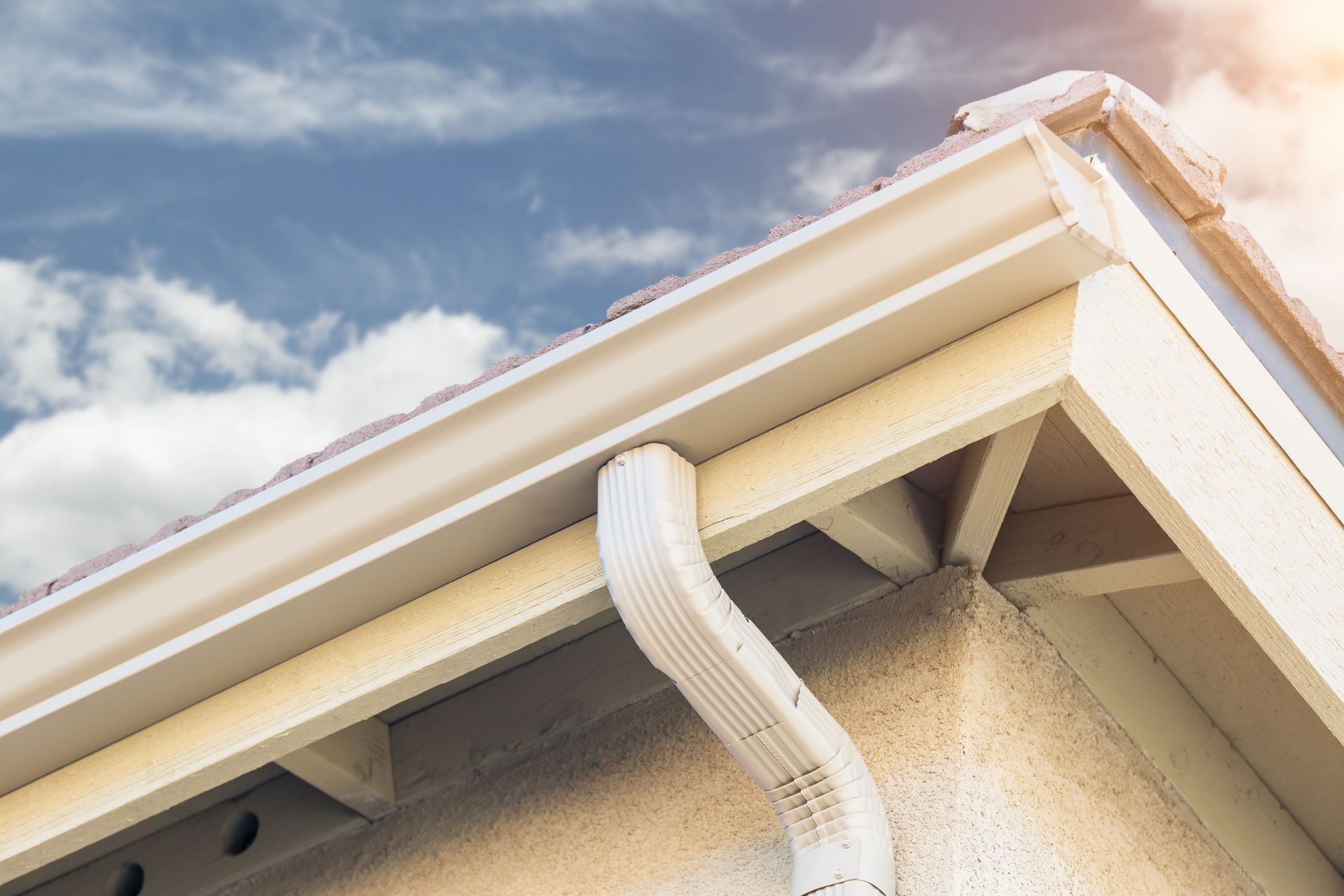
Gutters play an integral role in exterior water management. Clogged channels force water to back up under the bottom edge of the surface materials. This overflow rots the fascia boards and the roof deck edge. Integrating gutter maintenance into any roof repair routine prevents catastrophic water damage. Residents scoop out organic sludge to restore proper drainage capacity and protect the eave structure.
Standing water in gutters accelerates rust and structural sagging. The immense weight of wet debris pulls the channels away from the fascia. Realigning sagging sections restores the necessary downward pitch toward the downspouts. Running a hose through the system verifies the flow and identifies hidden leaks at the seams. Tightening the hangers secures the system against the house frame.
Downspout blockages present significant drainage challenges. Debris jams in the vertical pipes cause water to spill over the upper gutters. Dislodging these blockages requires a plumber's snake or a strong burst of water. Flushing the vertical pipes ensures clear transit from the eaves to the ground. Diverting the exiting water away from the foundation prevents basement flooding and soil erosion.
Installing protective guards reduces the frequency of manual clearing. Mesh screens prevent large leaves from entering the channels while allowing water to pass. Solid helmet-style guards use surface tension to guide water into the gutter while shedding debris. Property owners evaluate different guard systems based on surrounding tree types. Protective covers minimize the burden of seasonal cleaning and maintain optimal flow.
Proactive maintenance protects the overall investment of a residential property. Routine inspections catch minor issues before they evolve into structural failures. Addressing missing materials and clearing drainage systems preserves the integrity of the home. Ignoring these tasks leads to interior water damage and mold proliferation. Diligent observation of the exterior surface extends the functional life of the structure. Completing a necessary roof repair avoids widespread decay and guarantees a dry living environment.
Homeowners hold the responsibility for maintaining their shelter. Equipping property managers with knowledge about surface degradation empowers proactive decision-making. Visual inspections and seasonal debris removal form the foundation of proper care. Protecting the roof ensures the comfort and safety of the occupants within. A well-maintained structure withstands severe weather events and environmental wear. Commitment to structural upkeep rewards property owners with long-lasting exterior resilience and peace of mind. Contact us at Guaranteed Roofing & Contracting to schedule your next roof repair. We remain ready to protect your home and restore your peace of mind.